「零毀林」供應鏈承諾難以阻止亞馬遜地區的森林砍伐
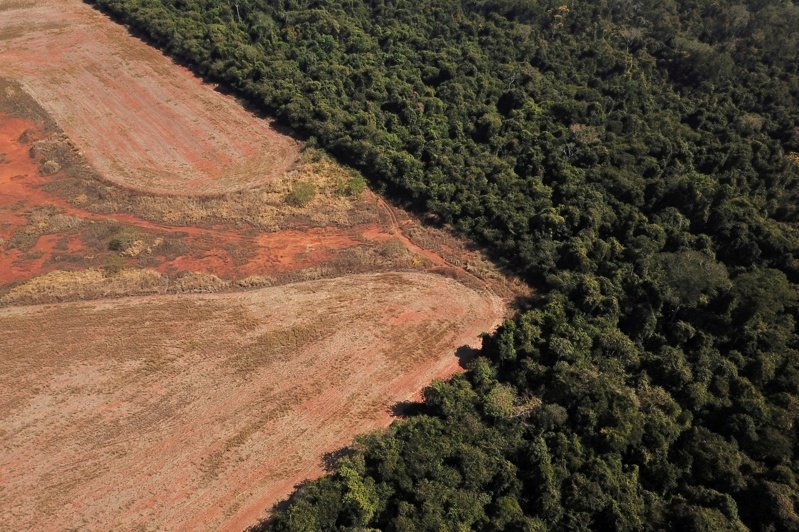 'Deforestation-free' supply chain pledges have barely impacted forest clearance in the Amazon
發表日期:2022-10-28
作者:Kelsey Brugger;翻譯:林詩軒;校稿:吳名翊
引用來源:https://phys.org/news/2022-10-deforestation-free-chain-pledges-impacted-forest.html
『參考要點』:2021年,全球100多個國家在COP26上簽署領袖森林與土地利用宣言,承諾到2030年停止森林砍伐,然而,根據《環境研究快報》的研究發現,因大豆的需求提高,土地無法負荷,導致巴西的熱帶雨林遭到砍伐,砍伐後土地被用來種植大豆,顯示「零毀林」的承諾並未受到重視。
『相關字彙』:zero-deforestation(零毀林)、COP26(第26屆聯合國氣候變遷大會)、Leaders' Declaration on Forests and Land Use(領袖森林與土地利用宣言)
研究人員表示,必須有更多公司實施「零毀林」的供應鏈承諾,以減少毀林並保護多樣化生態系統。
More companies must make and implement zero-deforestation supply chain commitments in order to significantly reduce deforestation and protect diverse ecosystems, say researchers.
2006年之後,企業承諾不再購買來自濫墾土地所生產的大豆(重寫->再順一點),這使得2006年至2015年間巴西亞馬遜地區的樹木移除量僅減少了1.6%,相當於亞馬遜雨林中2,300平方公里的保護區,大約等於英國牛津郡的面積。
Corporate pledges not to buy soybeans produced on land deforested after 2006 have reduced tree clearance in the Brazilian Amazon by just 1.6% between 2006 and 2015. This equates to a protected area of 2,300 km
2 in the Amazon rainforest: barely the size of Oxfordshire in the UK.
透過追踪貿易商的大豆供應源得出的調查結果於2022年10月28日發表在《環境研究快報》雜誌上。這項工作有來自英國劍橋大學、美國波士頓大學、瑞士蘇黎世聯邦理工學院和美國紐約大學團隊。
The findings, made by tracing traders' soy supplies back to their source, are published today in the journal Environmental Research Letters. The work involved a team from the University of Cambridge, Boston University, ETH Zurich and New York University.
研究人員還發現,在巴西熱帶大草原塞拉多,零毀林承諾並未得到有效實施,超過50%適合種植大豆的地方及生物多樣性得不到保護。
The researchers also discovered that in the Cerrado, Brazil's tropical savannah, zero-deforestation commitments have not been adopted effectively—leaving over 50% of soy-suitable forests and their biodiversity without protection.
巴西擁有地球上最大的熱帶森林,但這些熱帶森林正在被迅速移除,改成以飼養牛隻和種植包括大豆在內的農作物。全球對大豆的需求正在激增,估計每年有4,800平方公里的雨林被移除以用於種植大豆。
Brazil has the largest remaining tropical forests on the planet, but these are being rapidly cleared to rear cattle and grow crops including soybean. Demand for soy is surging around the world, and an estimated 4,800 km2 of rainforest is cleared each year to grow soybeans.
大多數的大豆被人間接食用,大豆廣泛用在工廠化養殖的雞、豬、魚和牛的飼料上,還佔全球植物油產量的27%左右,作為一種完整的蛋白質來源,大豆通常在素食和純素飲食之間扮演關鍵部分。
The majority of soy is consumed indirectly by humans: soybean is widely used as feed for factory-farmed chickens, pigs, fish and cattle. It also accounts for around 27% of global vegetable oil production, and as a complete protein source it often forms a key part of vegetarian and vegan diets.
到2021年,至少有94家公司採取了零毀林承諾,承諾在其供應鏈中達到零毀林。但研究表明,其中許多承諾並未付諸實踐。研究人員表示,中小型食品公司的零毀林承諾陷入停滯。
By 2021, at least 94 companies had adopted zero-deforestation commitments—pledging to eliminate deforestation from their supply chains. But the study revealed that many of these commitments are not put into practice. And the researchers say that adoption of zero-deforestation commitments is lagging among small and medium sized food companies.
英國劍橋大學保護發展研究所瑞秋·嘉瑞特(Rachael Garrett)教授(此份報告的共同作者)提及,「零毀林承諾是第一步,但需要徹底實施,才能對森林產生影響,現在主要是大公司才有資源做到這一點」。
"Zero-deforestation pledges are a great first step, but they need to be implemented to have an effect on forests—and right now it's mainly the bigger companies that have the resources to do this," said Professor Rachael Garrett, Moran Professor of Conservation and Development at the University of Cambridge Conservation Research Institute, a joint senior author of the report.
瑞秋·嘉瑞特補充說:「如果大豆貿易商真的履行他們對零毀林生產的承諾,巴西目前的森林砍伐可能會減少約40%。」
She added, "If soybean traders actually implemented their global commitments for zero-deforestation production, current levels of forest clearance in Brazil could be reduced by around 40 percent."
森林砍伐是僅次於使用化石燃料的全球溫室氣體排放的第二大貢獻者,還導致各種動、植物喪失生命、威脅原住民的生計,並加劇不平等和衝突。
Deforestation is the second largest contributor to global greenhouse gas emissions after fossil fuel use. It also causes the loss of diverse animal and plant life, threatens the livelihoods of indigenous groups, and increases inequality and conflict.
研究人員表示,包括牛、油棕和可可在內的其他食品供應鏈比大豆更複雜,因此更難以監控。
The researchers say that the supply chains of other food products including cattle, oil palm and cocoa supply chains are more complex than soy, making them even more difficult to monitor.
瑞士蘇黎世聯邦理工學院環境政策教授嘉瑞特提及,「如果供應鏈政策主要在解決巴西森林砍伐問題做出貢獻,那麼將零毀林砍伐供應鏈政策擴展到大豆以外也至關重要」。
"If supply chain policies intend to contribute to the task of tackling deforestation in Brazil, it's crucial to expand zero-deforestation supply chain policies beyond soy," said Garrett, who is also Professor of Environmental Policy at ETH Zurich.
「終止大豆」是熱帶地區第一個自願的零毀林承諾,透過簽署其承諾,公司同意不購買在2006年之後被毀林土地上生產的大豆。雖然該承諾在巴西亞馬遜地區得到實施,但大部分的巴西大豆都是生產於擁有豐富生物多樣性的巴西塞拉多熱帶草原生態區。
A "soy moratorium" was the first voluntary zero-deforestation commitment in the tropics—by signing it, companies agreed not to buy soybeans produced on land deforested after 2006. But while the commitment was implemented in the Brazilian Amazon, most Brazilian soy is produced in the Cerrado—which is rich in biodiversity.
研究人員的結果表明,私營部門的努力不足以阻止森林砍伐,具有支持性的政治領導對保護工作也很重要。
The researchers say their findings suggest private sector efforts are not enough to halt deforestation: supportive political leadership is also vital to conservation efforts.
嘉瑞特說,「供應鏈治理不應替代國家主導的森林政策,因為這些政策對於實現零毀林的監測和執法相當重要,甚至有潛力保護不同的作物、土地使用者和地區」。
"Supply chain governance should not be a substitute for state-led forest policies, which are critical to enable zero deforestation monitoring and enforcement, have better potential to cover different crops, land users, and regions," said Garrett.
2021年,COP26格拉斯哥領袖森林與土地利用宣言,承諾到2030年停止和扭轉森林砍伐。該宣言由100多個國家簽署,其佔了全球森林的85%。
In 2021, the COP26 Glasgow Leaders' Declaration on Forests and Land Use committed to halt and reverse deforestation by 2030. It was signed by over 100 countries, representing 85% of global forests.